Innovative Solutions Transforming Indian Construction
- DESIGN PALM CONSULTANTS

- Sep 22, 2025
- 3 min read
The Indian construction industry is undergoing a remarkable transformation. With rapid urbanization and increasing demand for sustainable infrastructure, the sector is embracing new technologies and methods. These changes are not only improving efficiency but also enhancing the quality and sustainability of construction projects. This blog explores the innovative solutions that are reshaping Indian construction, focusing on creative construction solutions that are driving this evolution.
Creative Construction Solutions Revolutionizing the Industry
India's construction landscape is evolving with the adoption of creative construction solutions that address traditional challenges such as labor shortages, project delays, and cost overruns. These solutions include the use of prefabricated materials, automation, and smart technologies.
Prefabrication and Modular Construction: Prefabricated components are manufactured off-site and assembled on-site, reducing construction time and waste. This method is gaining popularity in residential and commercial projects.
Automation and Robotics: Drones for site surveys, robotic bricklayers, and automated machinery are improving precision and safety on construction sites.
Building Information Modeling (BIM): BIM technology allows for detailed 3D modeling of projects, enabling better planning, coordination, and management.
These creative construction solutions not only speed up the building process but also ensure higher quality and sustainability.

What is Innovative Design?
Innovative design in construction refers to the application of new ideas, methods, and technologies to create buildings that are functional, sustainable, and aesthetically pleasing. It goes beyond traditional architectural practices by integrating technology and sustainability principles.
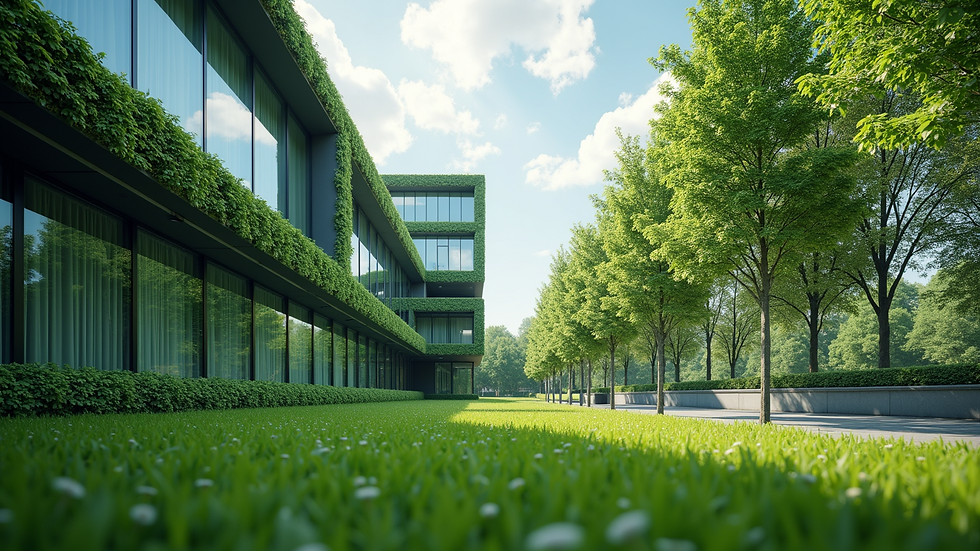
For example, green building designs incorporate energy-efficient materials and systems that reduce environmental impact. Smart homes equipped with IoT devices enhance comfort and security. Innovative design also involves adaptive reuse of materials and spaces, promoting sustainability.
One notable aspect of innovative design is the use of innovative design solutions that blend creativity with technology. These solutions help architects and builders create structures that meet modern needs while respecting cultural and environmental contexts.
Sustainable Materials and Techniques in Indian Construction
Sustainability is a key focus in the transformation of Indian construction. The use of eco-friendly materials and techniques is becoming mainstream, driven by environmental concerns and government regulations.
Fly Ash Bricks: Made from industrial waste, these bricks are durable and reduce the need for traditional clay bricks, conserving topsoil.
Bamboo and Timber: Renewable and strong, bamboo and treated timber are used in both structural and decorative elements.
Rainwater Harvesting Systems: Integrated into building designs to conserve water and reduce dependency on municipal supplies.
Solar Panels and Energy-efficient Systems: Increasingly incorporated into buildings to reduce energy consumption and carbon footprint.
These sustainable practices not only protect the environment but also reduce long-term operational costs for building owners.

Technology Integration: Smart Construction Practices
Technology is a game-changer in Indian construction, enabling smarter, faster, and safer building processes. Some of the key technological advancements include:
Drones and Aerial Surveys: Provide accurate site data and monitor progress in real-time.
3D Printing: Used for creating complex building components and even entire structures, reducing material waste.
Artificial Intelligence (AI): Helps in project management, risk assessment, and predictive maintenance.
Internet of Things (IoT): Connects building systems for efficient energy management and security.
By integrating these technologies, construction companies can optimize resources, improve safety standards, and deliver projects on time.
Future Trends in Indian Construction
Looking ahead, the Indian construction industry is poised to embrace even more innovative and creative construction solutions. Some emerging trends include:
Smart Cities Development: Incorporating IoT, AI, and sustainable infrastructure to create efficient urban environments.
Green Building Certifications: Increasing demand for LEED and IGBC certifications to promote sustainable construction.
Use of Augmented Reality (AR) and Virtual Reality (VR): For design visualization and training workers.
Circular Economy Practices: Emphasizing reuse and recycling of construction materials to minimize waste.
These trends will continue to drive the modernization of Indian construction, making it more resilient, sustainable, and responsive to the needs of a growing population.
Embracing Innovation for a Better Built Environment
The transformation of Indian construction through innovative solutions is a testament to the sector's adaptability and forward-thinking approach. By adopting creative construction solutions, sustainable materials, and advanced technologies, the industry is setting new standards for quality and efficiency.
Stakeholders, including architects, builders, and policymakers, must continue to support and invest in these innovations. Doing so will not only enhance the built environment but also contribute to India's economic growth and environmental sustainability.
The future of Indian construction is bright, driven by innovation and creativity that meet the challenges of today and tomorrow.


Comments